Gargoyles!!!
Pronunciation Key i (ˈɡɑːrɡɔɪl/)
1) A roof spout in the form of a grotesque or fantastic creature projecting from a gutter to carry rainwater clear of the wall.
2) A grotesque ornamental figure or projection.
3) A person of bizarre or grotesque appearance.
4) In a fantasy world, these are more than projections. They are animated. They could be constructs, spirit forms, or an actual species.
In architecture, gargoyles, or gurgoyles (from the French gargouille, originally the throat or gullet, cf. Latin gurgulio, gula, and similar words derived from root gar, to swallow, the word representing the gurgling sound of water; Ital. doccione; Ger. Ausguss), are the carved terminations to a spout which conveys water away from the gutters. Gargoyles are mostly grotesque figures.
The term gargoyle is applied most often to medieval work, but throughout all ages some means of throwing the water off roofs, when not conveyed in gutters, was adopted. Yet, gargoyles have been found in Egypt, Greece, and other older cultures. Everywhere to the modern day.
Cargoyles, or more precisely chimerae, were used as decoration on 19th and early 20th century buildings in cities such as New York (where the Chrysler Building's aluminum gargoyles are celebrated), and Chicago.
Statues representing gargoyle-like creatures are popular sales items, particularly in goth and New Age retail stores.
Gargoyles as a distinct race have featured in several works of fantasy fiction, such as Terry Pratchett's Discworld series and the Dungeons & Dragons role-playing game. Lets not forget Disney's animated series, Gargoyles.
In a fantasy world, these are more than projections. They are animated. They could be constructs, spirit forms, or an actual species.
Some scholar types say there are seven types of phenomena that share this 'heading'.
Give me your write up.... Share with me your ideas (originally or credited copies) ... embrace the flying ugly creature.






Not Registered Yet? No problem.
Do you want Strolenati super powers? Registering. That's how you get super powers! These are just a couple powers you receive with more to come as you participate.
- Upvote and give XP to encourage useful comments.
- Work on submissions in private or flag them for assistance.
- Earn XP and gain levels that give you more site abilities (super powers).
- You should register. All your friends are doing it!
? Responses (11)

I salute your initiative MoonHunter! While I know I have dissed gargoyles at some point in time, that ARE effective and cool, and they ALWAYS get the players suspicious! (Are these gargoyles of the animated kind, or are they just ornamental statues)

Both and Any. There are a lot of things that get the nomenclature 'Gargoyle' without being an animated statue. Some are stone creatures, natural magical things; others are animated statues that you despise; yet others are things with intense patience that have qualities like these kinds of creatures. Thus there are a number of cool critters under this category.
Heh. Thanks. I really meant to envision how the players thought, but I realize now it looked more like a question. Nice answer in any case.
Updated: Changed some formatting
I am going to have to read all of these later. If there are seven types, why do we only have four write ups?
I was kind of hoping others might help out, but I will do them soon.
This is great MoonHunter, I agree with Ancient Gamer.
There are many things which have been called Gargoyles. The animated statues is actually the least common of them. Most animated statues are of the Tomb Guardian nature, protecting its charge over the course of time. Most of them are normally either 'warriors' of the classic type for the tomb or hideous demonic things (classic for their religion). Thus the whole winged statue part did not come into play until well after the 15th century when Gargoyles were added to Cathedrals.
I am not sure if this is a work of fiction, a real world root for a fiction lead in or an attempt at academic discourse...
I think you misunderstood Kendraheart's question, in as much as the statement just kind of hangs out there...scholars in which world, which field are we referring the fictional creatures titled gargoyles or their implementation as piece of art or design.
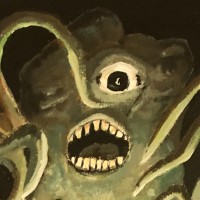
He's initiating a discussion about gargoyles, with a bit of background info, just like such things as New Takes On ....
I've always liked gargoyles. This needs to get on my add-to list as well.